Obituary by Morten Kromberg – Gitte’s husband for 42 years
A couple of days ago, together with Gitte’s brothers Bjørn and Per and our children Kirstine and Kristoffer, we had a meeting with the priest who was planning to serve at her funeral. As everyone recounted more stories, the true enormity of writing her obituary slowly dawned on me. Gitte’s “contact surface” was enormous – she touched a huge number of people in her private and business life. To make it a bit more manageable, I have decided to split my story into two parts – one written as her husband, and a separate one with focus on her professional life.
The Foundations
I did not experience Gitte’s childhood, but I have been in the family (and had both Bjørn and Per as colleagues) for long enough to know that the Christensens were brought up with an extreme sense of fairness and empathy. As Gitte also did in her adult life, they took friends who were having a difficult time into the family and helped them over bumps in their lives.
From Biology to EDP
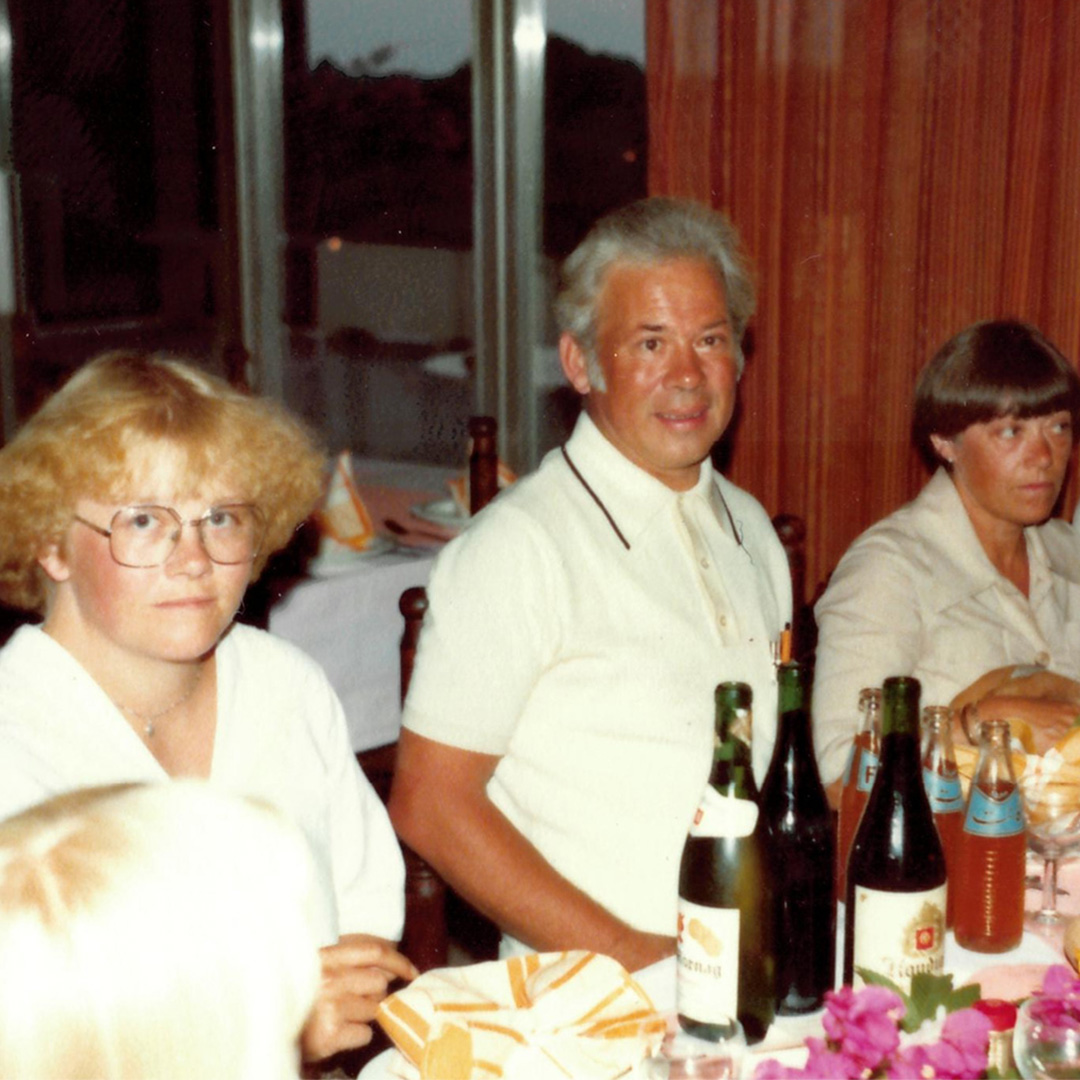
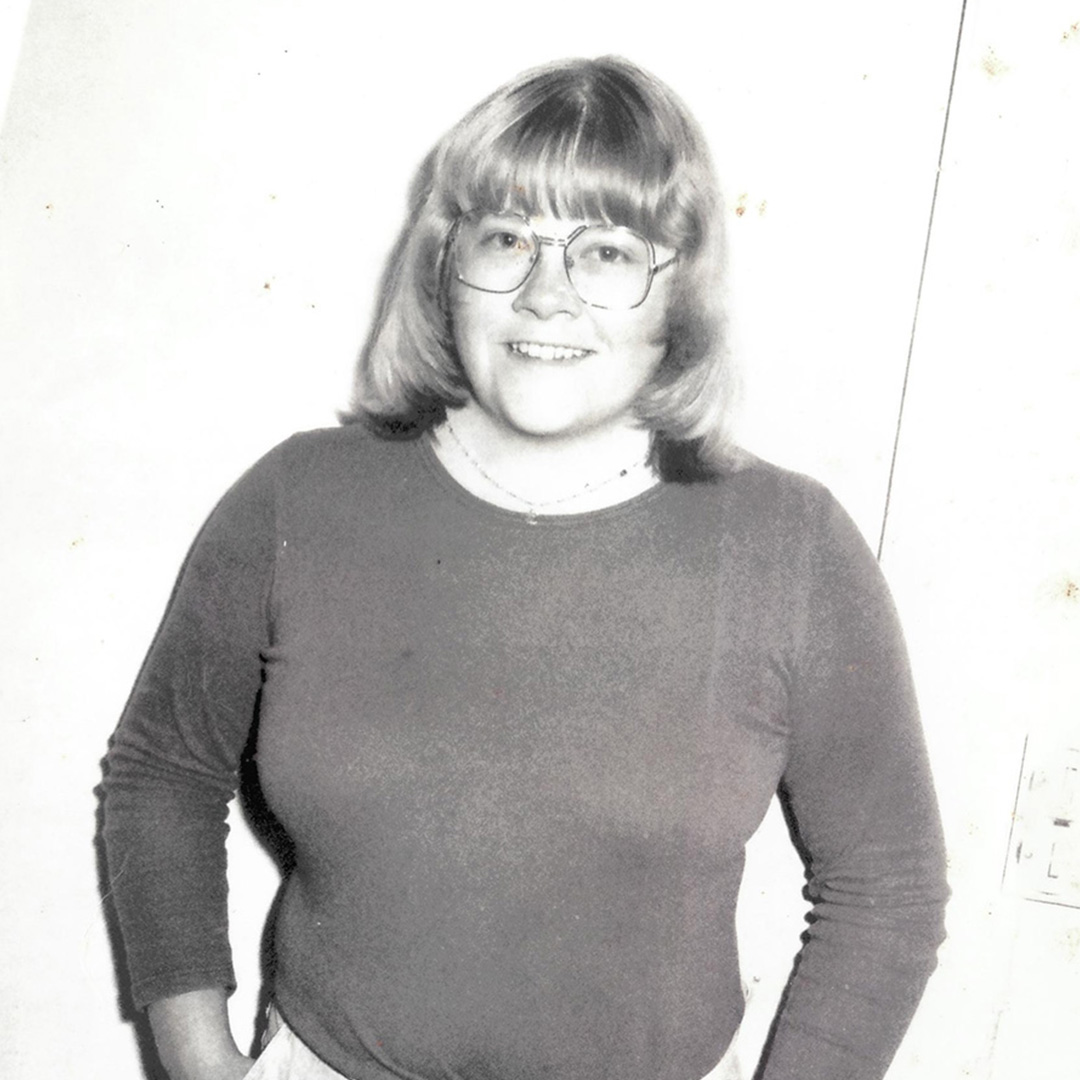
Gitte became an M.Sc. in Marine Biology, at a time where there were two jobs in the Kingdom of Denmark requiring that qualification – the so-called environment hadn’t been discovered yet. She took some teacher training and became a high school teacher, but after a few spells covering for teachers on maternity leave, she had had enough, and enrolled in a course in Electronic Data Processing, aimed at unemployed academics. That landed her a job as an APL programmer at I.P. Sharp Associates [IPSA], a Canadian company offering timesharing of an IBM mainframe located in Toronto, Canada. In Denmark, IPSA’s customers included many big Danish companies like Danske Bank, Maersk, Novo Nordisk and Nordisk Fjer – plus multinationals like Xerox and Kodak. Gitte’s academic background made it easy for her to understand anything that these companies needed coded, from clinical trials to financial consolidation.
Morten and Gitte Discover Each Other
At the risk of being a bit politically incorrect, I’ll claim that women usually do the choosing. I will take the credit for doing a bit of legwork to make myself a candidate: I.P. Sharp Associates was one of the first companies in the world to use e-mail for communications. Up in the Oslo office, I had also been granted access to the system while at high school and had started doing some part-time work as my academic career slowly ran aground (a story for a different time). I had discovered that if I spooled the contents of the e-mail directory to file once a week and wrote some code to compare to the previous week’s directory, I could understand a lot about what was going on in the company – like which projects had been started. I was harvesting e-mail addresses and then writing unsolicited e-mail to new project managers and new hires. When someone who appeared to be female had started work in an office a mere 500 km away, I was immediately interested.
Our relationship got underway via instant messaging and e-mail in 1982, which was probably very fortunate because, if we had met in the flesh aged 19 and 28 respectively, we would probably not have noticed each other. When we finally met, this is how I was welcomed:
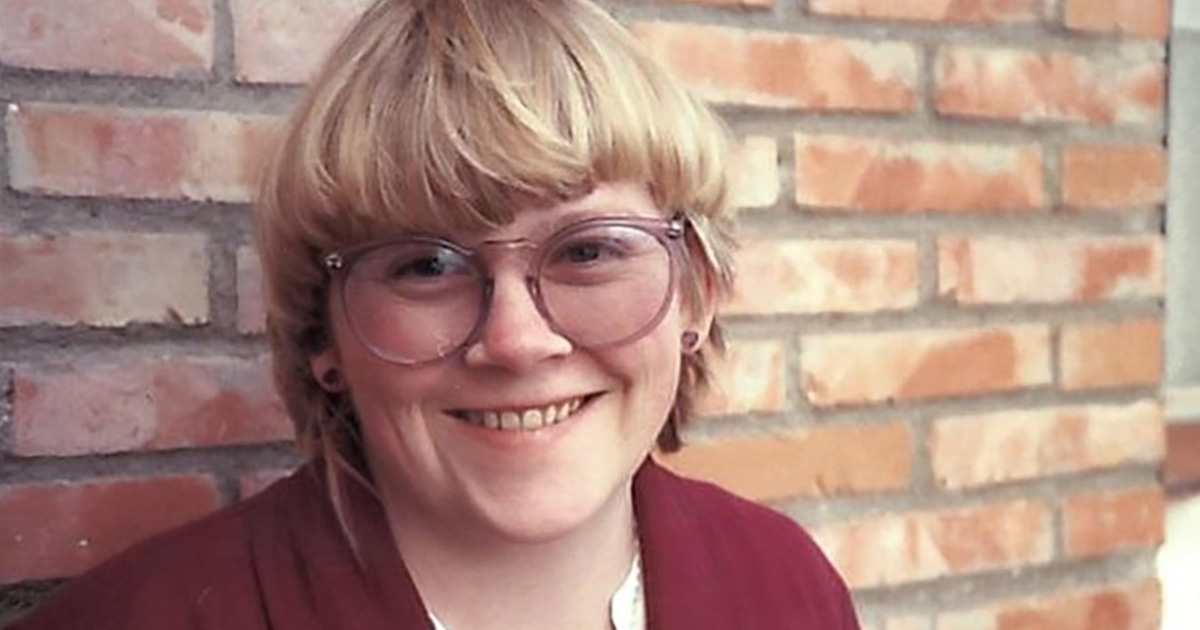
Obviously, I quickly ended up flying down to Denmark for weekends, eventually abandoning the idea of getting an education in Norway and moving to Helsingør in 1984. I made a final half-hearted attempt to pursue an academic career at the University of Copenhagen, but in 1985, Gitte’s pregnancy gave me the perfect excuse to join her as a full-time APL developer at IPSA.
There is much more about Gitte’s work and her contributions to the APL community in the professional obituary. For now, suffice it to say that she received the Iverson Award for outstanding contributions to APL.
Kids
Gitte’s biological clock was ticking, and now that she had decided on an acceptable source of breeding material, it didn’t take long before she was pregnant with Kristoffer. I think that was ideal for me, because I never had time to read any books about parenting and worry about what I should be doing.
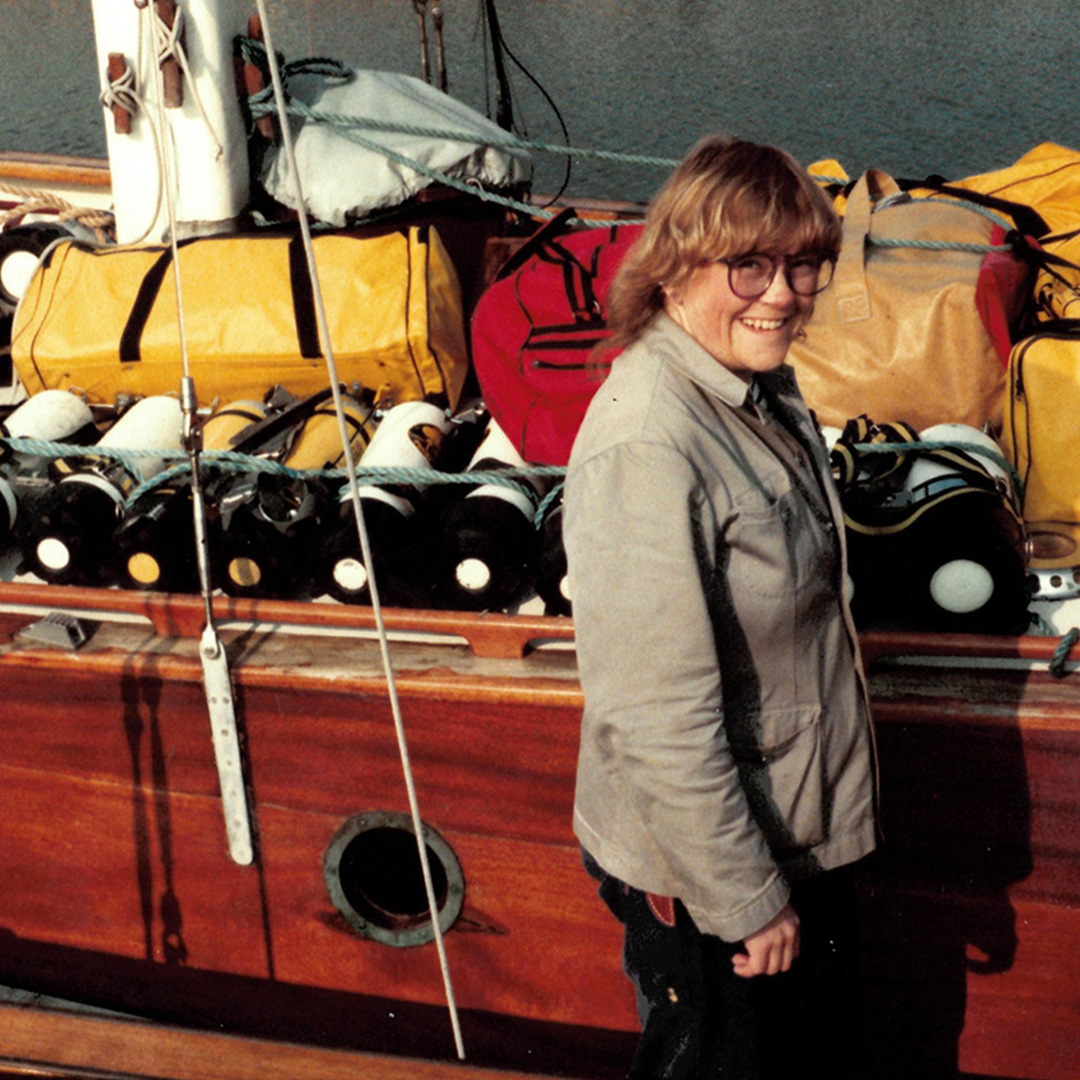
It brought an end to her hobby as a scuba diver, which she had picked up as part of doing marine biology at university, becoming a diving instructor at the Aquanaut club in Helsingør. Alas, she never put a wet suit on again after her pregnancies, although she did snorkel whenever there was an opportunity. If anyone would like a couple of scuba tanks, last pressure tested in 1984, they are still in our basement.
Kristoffer arrived in 1985, and Kirstine followed in 1989.
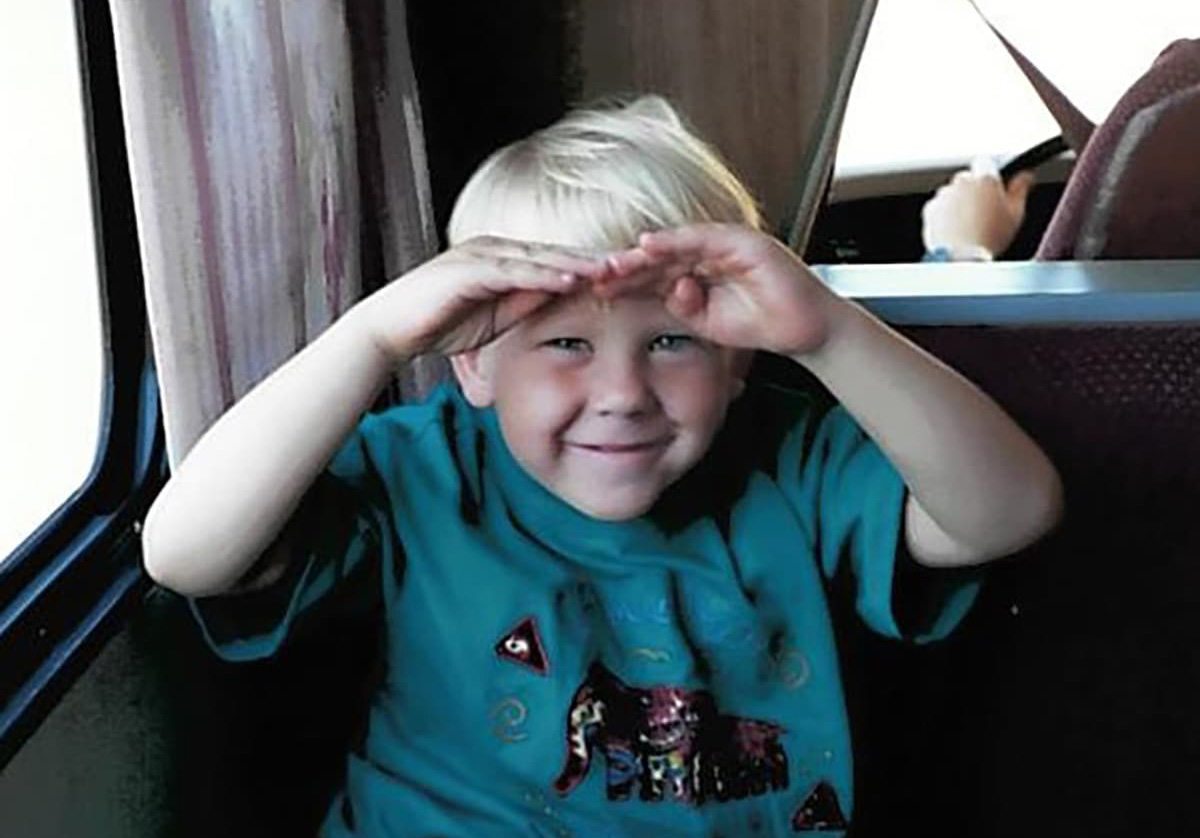
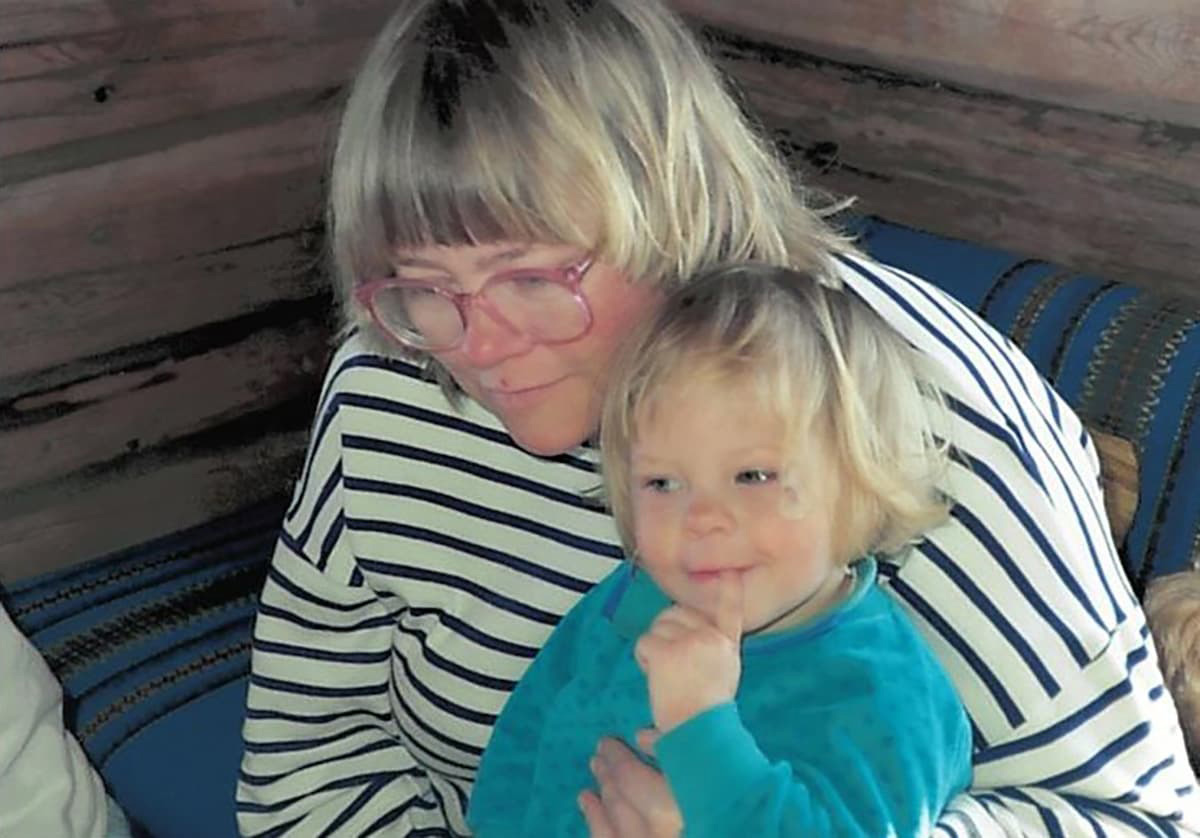
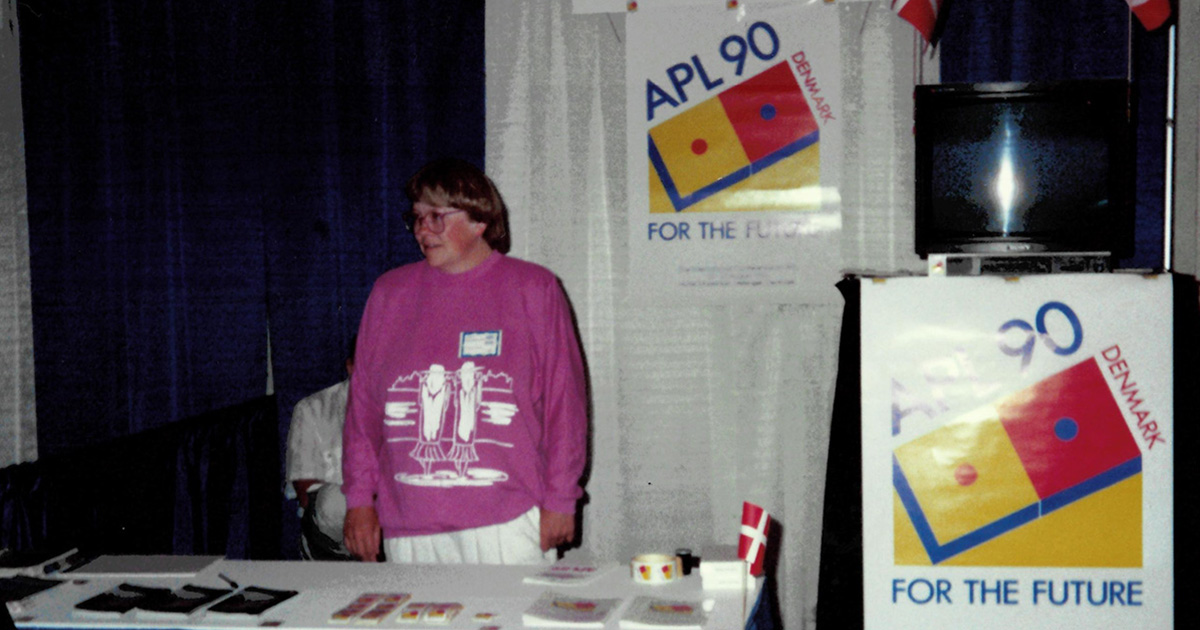
Gitte didn’t let the kids slow her down; she would bring them to the IPSA office – and to the annual APL conferences and work while they napped. The Danish system is very supportive of working parents, which made it a lot easier for her to get back to work as soon as possible. Kristoffer was at APL88 in Sydney, Australia – and baby Stine came along to APL89 in New York, to help market APL90, which was held in Copenhagen, with Gitte as the Conference Chairman. More about that in the other obituary.
The Open House
I mentioned how the empathetic Christensen family harboured friends in need during Gitte’s childhood. Gitte wanted to continue this tradition; my parents had done similar things, so it was also natural for me. We had a long procession of people in our house, starting with friends of the kids who needed a break from their family or women in abusive relationships who needed a roof for one or several nights. We had refugees from Sri Lanka and the Ivory Coast, and a Pakistani family of five who stayed with us for a couple of years, although they were introduced to us as needing a roof for one night (they are now Canadian citizens). We had a “refugee” from Italy who needed a job in a foreign country to escape military service.
One day we came home and found a TV in the house – a friend had decided to “lend it to us” after his marriage had broken up.
With very few exceptions, opening our house has been hugely rewarding. One person fell in love with our garden and has helped maintain it ever since. The guy with the TV continues to enrich our life in so many ways. They made wonderful food for us (Ramadan food is particularly nice) and looked after the kids. The Italian turned out to be one of the brightest people we ever met, contributed enormously to our business, and after returning to Italy he has remained a close friend and colleague – as well as the cousin who called us and said, in typical Italian fashion: I need you to hire my cousin (see below).
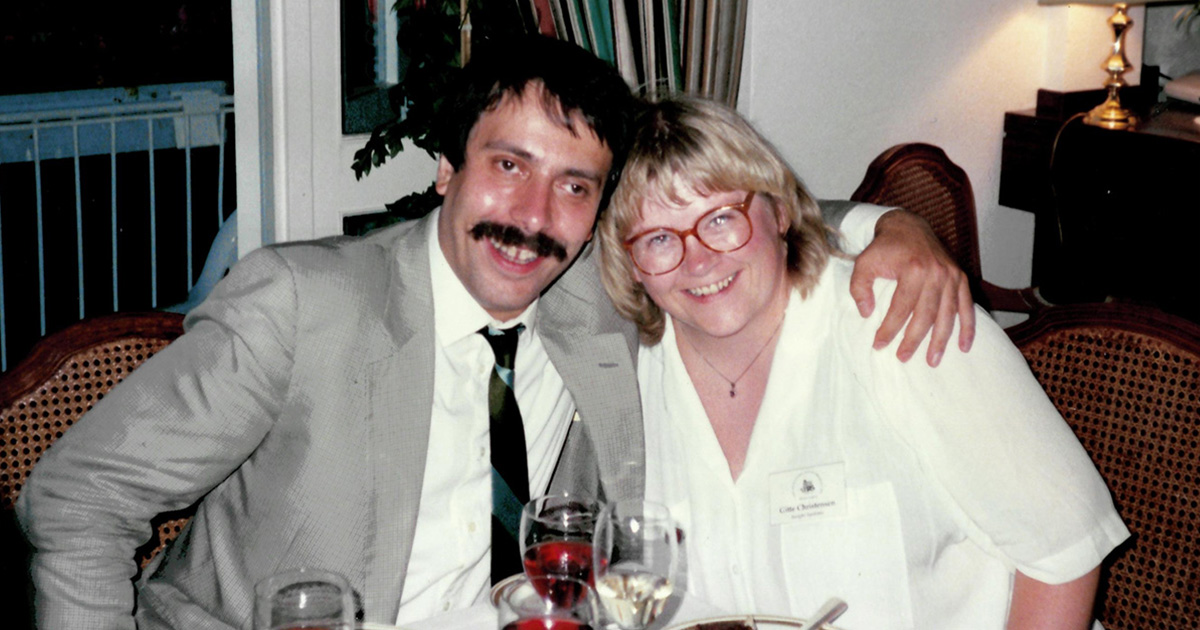
Over time, Gitte’s approach to business led to employees, colleagues and in many cases, customers becoming part of our extended family, which had the pleasant effect of making life extremely comfortable in the long term.
The kids learned to enjoy spicy food, and experienced firsthand the saying that a stranger is just a friend you haven’t met yet. The friends of our children liked to hang out in our house, because of the relaxed atmosphere – which meant we didn’t need to worry so much about what the kids were getting up to.
Community Service
Gitte was never afraid to take responsibility and contribute. I don’t remember whether she held any posts other than instructor at the diving club, but she ended up on the Parent Board at kindergarten, the APL interest group and other sub-sections of the Danish Data Processing Society, conference chair for the international conference on APL in 1990, and served on the programme committees of other APL conferences. She taught database theory at Copenhagen Business School and acted as a external examiner at exams. More recently, she was the treasurer of the shipowner’s guild for the Anna Elise, where we are part owners. I’m sure there are a few that I have forgotten to mention.
We were a contact family for the international school down the road, in order that foreign students would come to have dinner with a typical Danish family (which we absolutely were not, but we always had a great time).
The Sea
Gitte was drawn to the sea and loved sailing. Living in Helsingør, surrounded by the sea on three sides, was the perfect setting for her. In the early days, she was able to combine this passion with scuba diving, later she became a very active sailor on the good ship Anna Elise. When we became part owners of the ship, Gitte and I both took the necessary exams to become “Yacht Masters of the 3rd degree”, which was a requirement for commanding vessels the size of the Anna Elise. Gitte never managed to get comfortable with the 1955 Hundested diesel engine (I’m not sure I will actually claim that I ever did, maybe I’m too stupid to be scared), so she never acted as skipper, but she assisted with navigation and optimal management of the sails on our voyages to Norway, Sweden, Germany, Poland, Åland and Finland.

Art
Gitte had a keen eye for art. Not only did she regularly buy art from contemporary Danish artists, but she also provided business advice to artists who were struggling to make a living from their work. In particular, she worked closely with Annette Falk Lund who we met on a summer holiday when our daughters started playing together. For many years, Annette produced calendars that Dyalog Ltd. sent out as Christmas gifts to people all over the world.
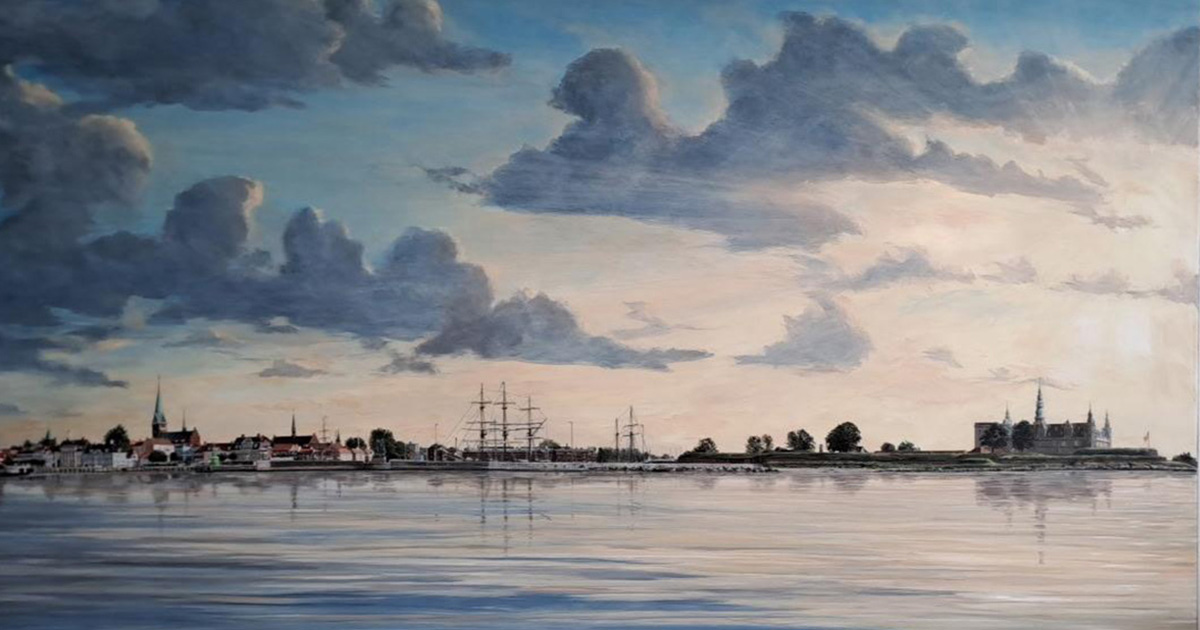
She commissioned other art, like this fabulous painting of Helsingør seen from the sea which hangs in one of the Dyalog offices, by local artist Troels Kirk.
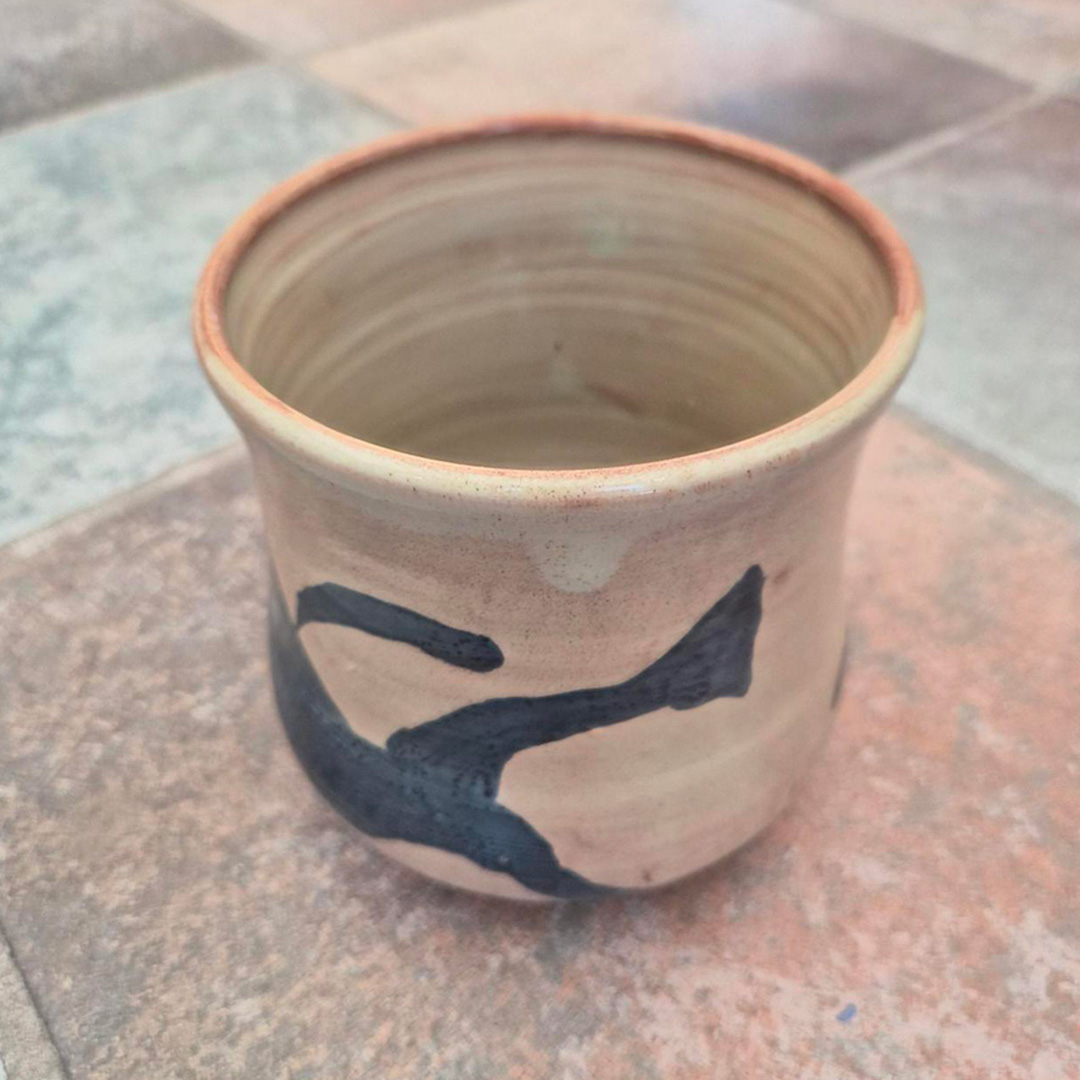
Gitte herself had a gift for manipulating form and colour. She started doing pottery while at University, and continued with this hobby from time to time, when she had access to a kiln. Many of our friends have one or two pieces of her work.
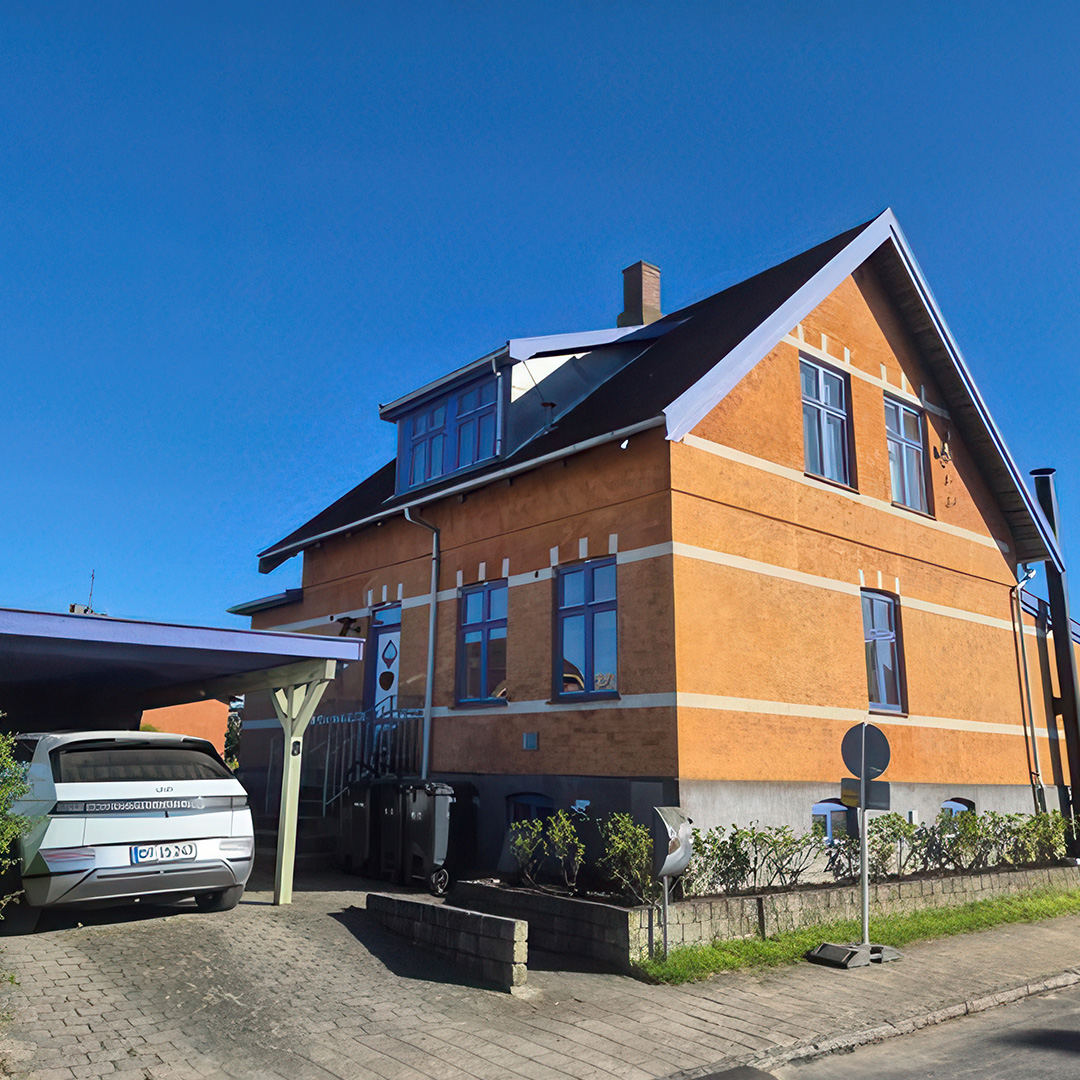
In 2000, she also masterminded the makeover of our house. Employees and customers of Dyalog will recognise the colour scheme. My only contributions to this picture (apart from taking it) are the electric car and the absence of dandelions.
The final comment about Gitte’s artistic talent is about food – she was a culinary artist. Family, friends and business associates alike agree that her meals were the stuff of legend, at home, at the “Dyalog Towers” in Basingstoke, and aboard the ship. As grandson Adrian (6) puts it: grandma is the only one who understands about salt in the pasta.
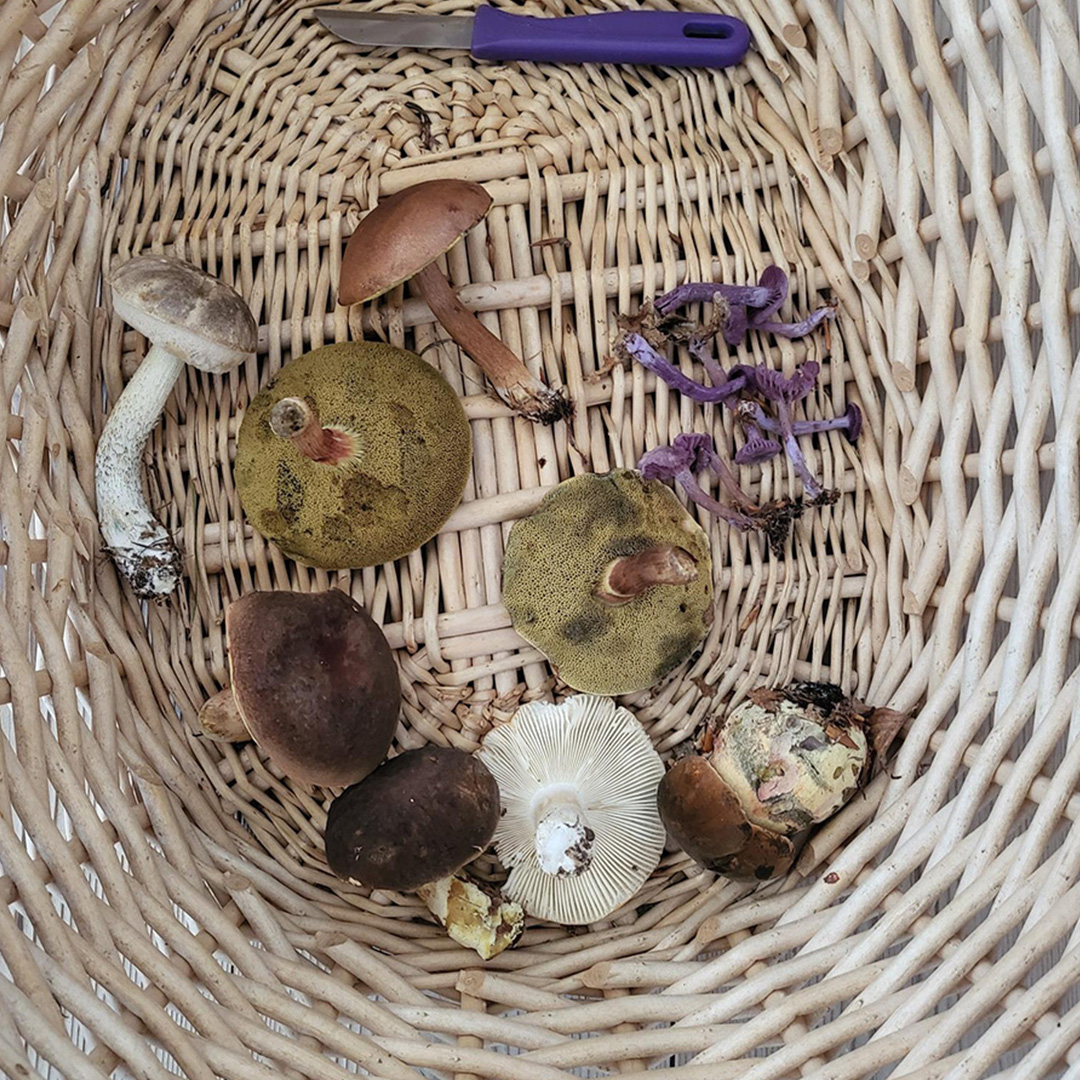
Trips to the forest in the autumn to collect mushrooms were obligatory. We put our faith in the fact that she studied biology for many years, and nobody was hurt.
Grandkids
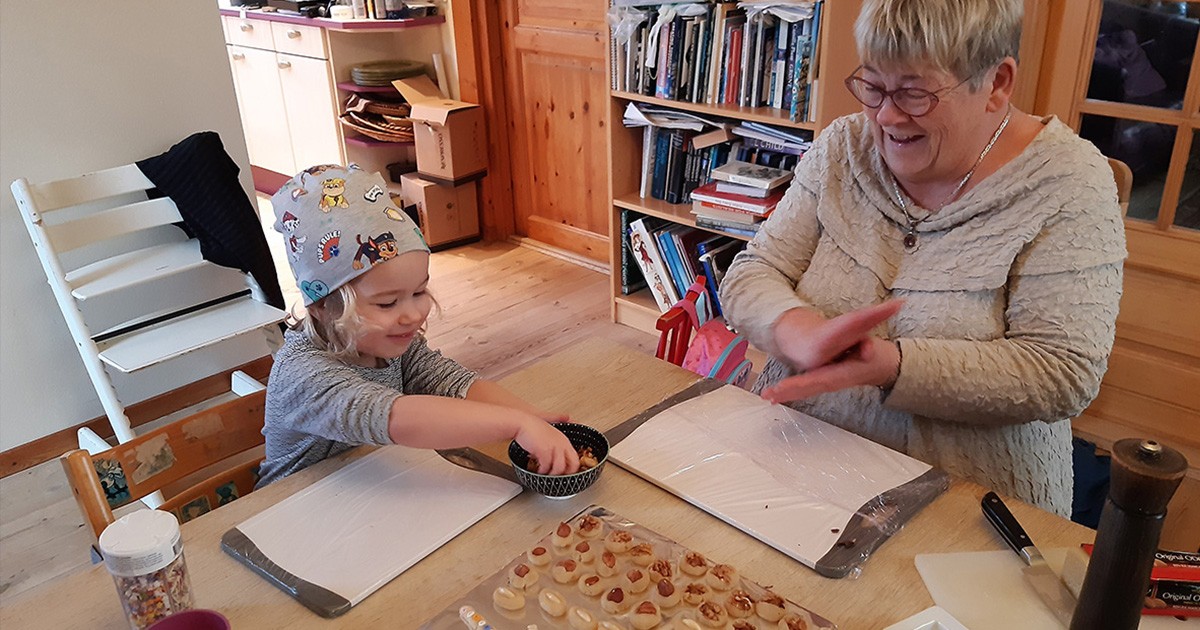
Grandkids are the reward for having had kids. Gitte became a “mormor” (mother’s mother) when Viktoria was born to Kirstine in 2017, and Adrian followed in 2019. Here, Gitte is seen passing on the joy of making Christmas marzipan/chocolate treats to Viktoria.
Retirement and Marriage
Gitte retired as the CEO of Dyalog Ltd in 2024, a few days after she turned 70 – looking forward to watching the grandkids grow up and going on some interesting voyages around the world. Unfortunately, that was not to be – in early 2025 she was diagnosed with intestinal cancer, which had already spread to her liver. Although the doctors were initially optimistic that it could be treated with chemotherapy and the first round of treatment led to an operation to remove the tumors, the cancer in the liver turned out to be a devilish opponent, and subsequent therapy failed to have an effect.
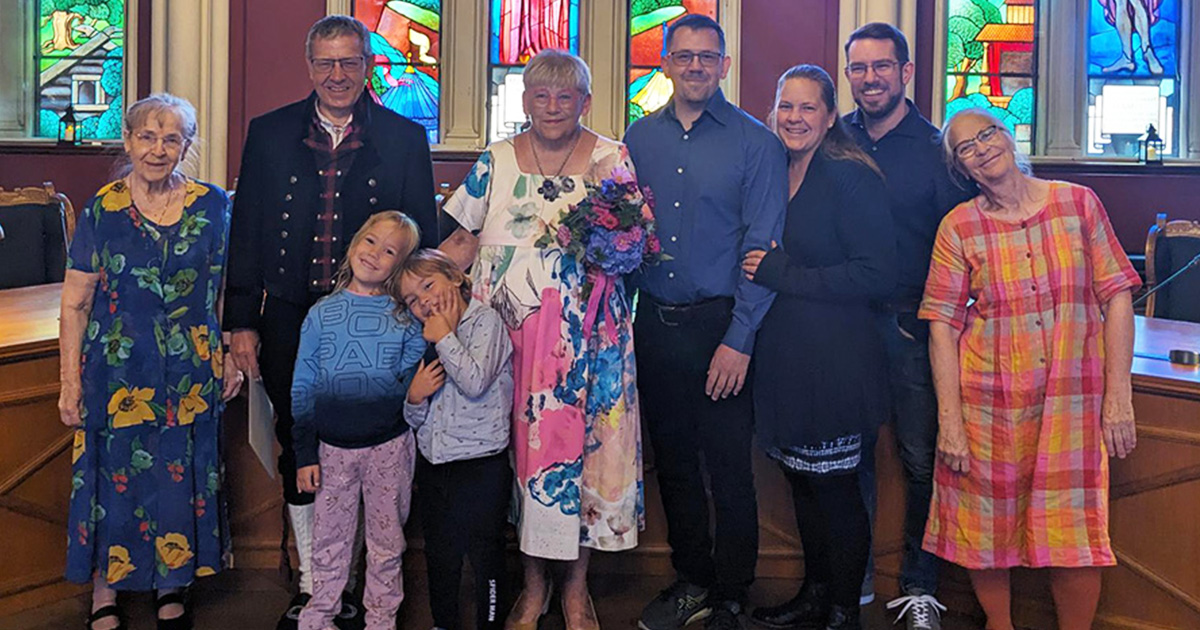
After living together for 41 years, we finally got married, unfortunately for all the wrong reasons – at the recommendation of our bank manager. It was still a very nice party!
The End
Gitte was an exceptionally strong-willed person, who was always trying to make other people comfortable – in the best meaning of that word. Faced with her diagnosis, she quickly made peace with her fate and managed not to be depressed – even when the doctor sent her home and declared that further treatment would be counterproductive, and that she would be lucky to live for more than a couple of weeks.
This made it so much easier for us – and particularly me – to cope with the situation. As always, we had to follow the leader. Being depressed was simply not an option! Gitte managed to stay in control, with constructive positive attitude – and a spark in her eye – to the very end. During her last week:
- After a meeting where Gitte explained her intentions with respect to inheritance, a young man from the bank told us that he found the meeting inspiring.
- The parting comment from the senior nurse who had attended her regularly during the last week was that her team had looked forward to knocking on our door because of the positive energy in the house, even in the darkest moments.
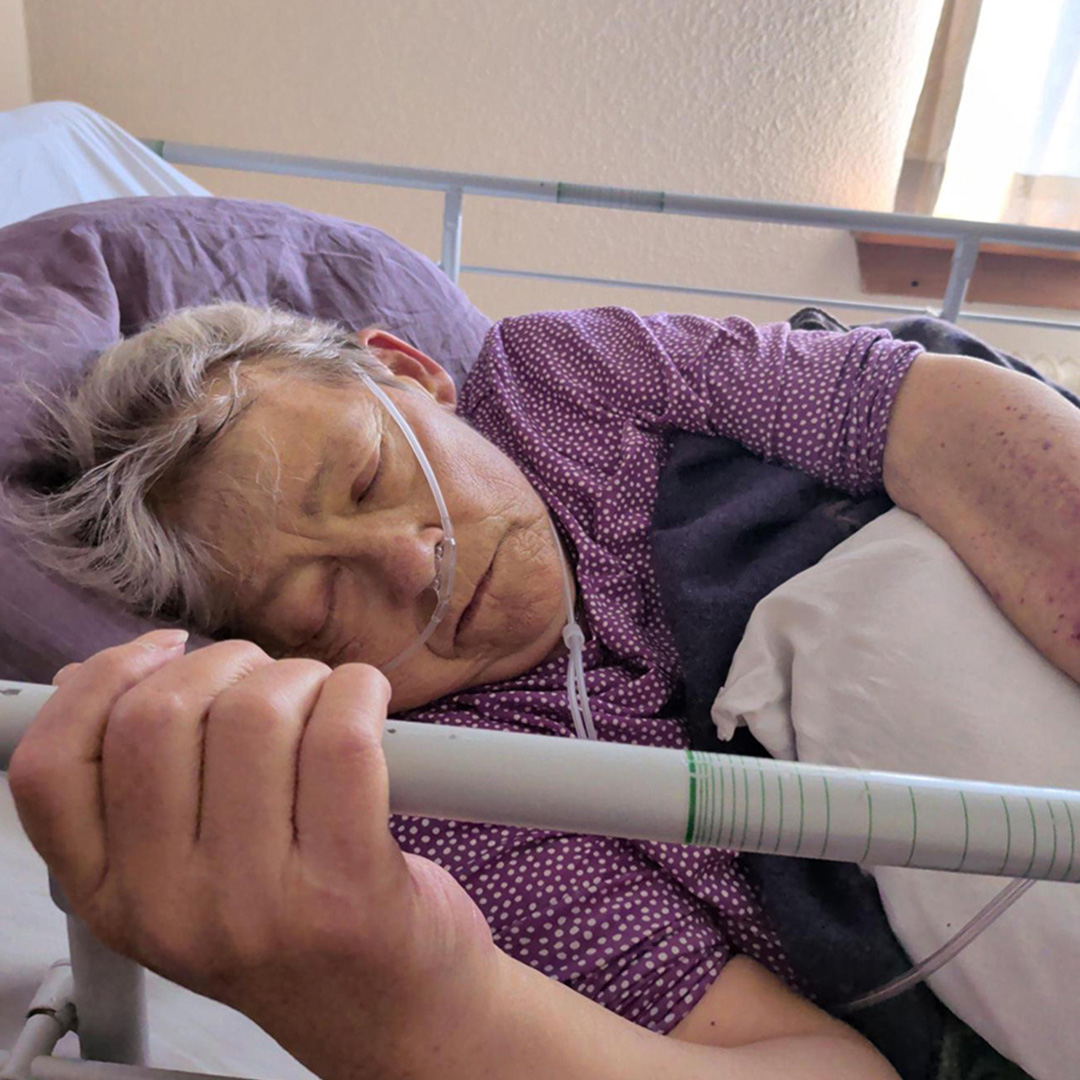
This picture was taken the day before she passed away, peacefully, with me and our two kids at her side.
Gitte has touched – and helped – an enormous number of people. I was fortunate to have her pushing me in the right direction for 42 years.
Rest in Peace, Gitte!
Gitte’s co-worker for 42 years
Preamble: Strength in Diversity
Gitte and I worked and lived together for 42 years and shared everything from kids and houses to equal shares in and equal salaries paid by the various companies that we owned or worked for. However, although our core values were extremely closely aligned, we had very different personalities and skill sets. It often took us a while to agree on the details, to put it politely. We happily argued fiercely in public in front of the team at work, and in front of the kids at home.

At work, I generally felt this was a good thing because we covered more aspects of any problem, demonstrated clearly to the entire company that dissent was acceptable, and reduced the feelings that people working for a “mom and pop shop” might have that Gitte and Morten were taking decisions behind everyone’s back.
At home, after there had been some divorces amongst schoolmates, our young kids called a conference to ask why we were always arguing, and whether they should be worried. The answer was simple: you don’t need to worry unless things go quiet. Happily, we continued arguing to the end.

I.P. Sharp Associates
Back to our story: As documented in this wonderful podcast and on Wikipedia, IPSA was a company well ahead of its time – with a logo curiously similar to the Yin/Yang symbol.
With ≈300 people, there were still only three meaningful levels to the corporate hierarchy: Ian Sharp at the top, a set of branch and functional managers, and everyone else. The company attracted the brightest people of all ages, genders, races, religions and sexual orientations – back in the 1970’s. It was a wonderful place to work as APL consultants, solving problems for companies that were on the leading edge of many different business sectors. Many of the people we met at IPSA in the early 1980’s remain our friends, customers and/or collaborators to this day. Ex-IPSA people have been founders or drivers behind many of the array language teams that exist today (Dyalog, Jsoftware, kx, Snake Island Research).
The demand for the combination of computer time-sharing and competent programmers was enormous, and IPSA experienced massive growth worldwide without an actual sales department. It was a wonderful and carefree time, with endless interesting problems to solve, and, in many ways, everything that Gitte and I did subsequently was an attempt to recreate the sensation of working for early IPSA.
When the personal computer arrived, the market for paying large sums of money to share mainframe computers collapsed almost overnight. The shareholders of IPSA cashed in by selling to Reuters the collection of time-series databases that had been collected over a couple of decades by people like me – as the youngest person in the office in first Oslo and then Copenhagen (until I managed to automate the process), it was my job to buy the morning paper and type the daily currency and interest rates into a database.
Insight Systems
The APL consultants were all laid off in 1989. Fortunately, the Copenhagen office had a very strong consulting business, and Reuters were keen to avoid upsetting them, so they sold us all the computers and desks in the office at book value and wrote a nice letter of introduction to Novo Nordisk and the other clients, recommending that they look to us for their software development needs.

Together with the IPSA branch manager Kim Andreasen, we formed Insight Systems – and for a couple of years we lived like kings, charging the same hourly rates as we had at IPSA but pocketing all the money ourselves. However, we could see that this was going to be short-lived, as the mainframe systems were gradually replaced by cheap alternatives.
Our core competency was programming in a language called APL, which we felt was perfect for data analytics and we did not want to abandon. If you are not familiar with APL, you might enjoy reading the paper that Gitte wrote for the 4th Conference on the History of Nordic Computing.
The APL90 Conference
In the midst of being fired and having a newborn baby Kirstine in tow, Gitte travelled to the APL89 conference in New York city to market APL90 in Copenhagen, as Conference Chair. As part of this work, Gitte’s network grew like wildfire – she impressed and charmed everyone who was anybody in the community, although she had put her foot down hard a few times, for example when the representatives on the programme committee, from a company that shall not be named but is known by a three-letter acronym, wanted to turn down a paper by the inventor of APL Kenneth Iverson, where he presented a rationalisation of APL, which he called J.
Gitte: We will NOT turn down a paper by Dr. Iverson!
In addition to being a prominent member of the APL interest group, Gitte was active in other sections of the Danish Data Processing society, promoting a “PC Drivers Licence” and the role of women in DP (now IT). She taught database theory at Copenhagen Business School and acted as an external examiner at exams.
The Russians are Coming!
APL90 was the first conference after the iron curtain came down, and for the first time, we had a couple of Russians attending (often followed around by mysterious men in trenchcoats and dark glasses, collecting brochures from APL vendors). Gitte helped Alexey Miroshnikov take his first steps in the brave new world, and we quickly became friends.
Shortly thereafter, Alexey called Gitte to tell her that his team in the Leningrad Building Society (responsible for planning all new buildings in what is now St. Petersburg) was being privatised. If he could create a joint venture with a foreign company, interesting benefits would be available, like opening a proper bank account. Would Gitte like to buy 90% of his new company, Infostroy, for $500?! After thinking for a moment, Gitte’s response was: If I do that, you will hate me in a few years. Instead, let me buy 49% of your company for a significantly larger amount of cash, and send you all the PC’s that we are about to replace with new ones – and I will sit on your board of directors and explain how a market economy works.
In yet another example of Gitte’s desire to always create win-win situations, Gitte subsequently sold half of our shares to an Italian friend who wanted to buy consulting from Infostroy, and also offered Infostroy his portfolio management system for adaptation to the Russian market. Gitte strongly felt that the share allocation should match the direct interests and responsibilities of each partner.
This was the beginning of a close and lasting friendship with the Miroshnikov family, who often spent summers in our house in Denmark. The company is now one of the longest-lived software companies in Russia, having been able to navigate all kinds of turbulence through 35 years, thanks to Gitte’s help.
SQAPL
We were quickly able to get good APL interpreters running on our personal computers, but we didn’t have access to the corporate data that we had become experts in helping people use in various ways.
When Denmark voted no to the Maastricht Treaty in 1992 and all our clients put a hold on just about everything, we decided that, rather than twiddle our thumbs, Gitte’s brother Bjørn Christensen and I would create an interface to a new type of software called “middleware”, so we could tap into corporate databases. In many ways, this decision about how to spend the time when there was no work to be had, laid the foundation for everything that followed.
We named our tool that connected APL to SQL databases “SQAPL”, and thanks to Gitte’s network, we subsequently adapted and sold it to every APL vendor on the market except IBM, where our contact explained that, although he very much wanted to buy it, it would be easier for him to write his own interface than to get an agreement to redistribute our code through the legal department.
Adaytum
The SQAPL product gained us a reputation as the “APL Client-Server people”. One day in 1995 (I think it was), we were contacted by Guy Haddleton, a New Zealander who had teamed up with George Kunzle in the U.K. to form a company called Adaytum. George had managed to negotiate the rights to his departmental planning system as part of his early retirement package from IBM. Guy was trying to market this tool, was looking for someone to help connect the application to SQL databases, and called me in as a consultant. After I spent a few days visiting the company and apparently impressed Guy with my rather unflattering analysis of the state of his ongoing DOS-to-Windows conversion project, Guy asked me to take over the project. His proposal was that he would buy Insight Systems and make me the CTO of Adaytum while Gitte built a Nordic sales and marketing team for the product and ran the Danish company that housed a new development team. Guy clearly also understood the importance of win-win situations!
This was the start of a wildly successful adventure, where Adaytum revenues grew by ≈50% year on year, three or four years in a row. Things came unstuck when Guy started planning to float the company on Nasdaq and accepted more Venture Capital in the next year than our astronomically growing sales revenue. The VCs started making bizarre (in my view) demands of the development team, and I was too much of a simple-minded practical pig to play the game, so we left the company. Guy graciously allowed us to buy Insight Systems back, but we had to let go of most of the developers, who were replaced by a North American team.
The dot-com bubble burst before Adaytum floated, but a trade sale to Cognos for about 150 M$ made it all worthwhile for Guy – and for us. Although we only owned a single-digit percentage of Adaytum, the proceeds funded the next chapter in the story. And with delicious irony, IBM subsequently acquired Cognos, so IBM re-acquired what had been the old Kunzle Planning System, that they let go for free, for triple-digit millions of dollars (OK, it also came with a sales and consulting team). Unfortunately, George had passed away and did not get to learn the story.
Dyalog Ltd.
In 2004, the owners of Dyalog Ltd, a successful and growing British APL vendor of APL systems, were looking to retire. This put worried frowns on the foreheads of several of Dyalog’s customers, who feared that Dyalog might be sold to a major client and quickly become unavailable to other users. Carlo Spinicci put together a plan where his company, APL Italiana, and a Danish competitor, SimCorp, would fund the acquisition of Dyalog, with Insight Systems using some of the proceeds from the Adaytum adventure to buy a small stake in the company. Gitte became the new CEO of Dyalog and Morten the CTO.
I still remember the quizzical looks on the faces of the two senior officers from SimCorp who came to visit in late 2004 or early 2005, to figure us out. Our claim that this would not merely be a labour of love, but that we thought it was an exciting financial proposition, seemed outrageous. Gitte boldly presented a budget with 5% annual growth for the first few years. The SimCorp people grinned overbearingly, and I am sure they went back home to set money aside for a new capital injection when the company would undoubtedly get into trouble a few years later. But they approved the deal.
Gitte immediately restructured the licence schedule and set off to explain to the major clients that, if they would only agree to pay us a bit more, we would promise to hire a new generation of developers to keep moving the APL interpreter forward when the old guard retired. Unsurprisingly (at least to Gitte), the clients were enthusiastic to learn that Dyalog was not about to fade away into retirement. They could cancel that multi-million $ “Plan B” that they had been drawing up. New contracts were negotiated, and the company was on a firm path to sustained growth. When Gitte finally retired after 20 years as CEO, the compound growth for the entire period was closer to 8% per annum, and the company grew from 4 to 30 people.
An APL Vendor Once More
Once the finances were secured, we were closer than ever to the dream of recreating the old IPSA vibe (but with a sales department this time). As always, Gitte created a space where I and the rest of the development team could concentrate on improving the product without worrying about whether the bills would be paid – and customers could safely continue to use the product without worrying that we might suddenly get snuffed out.
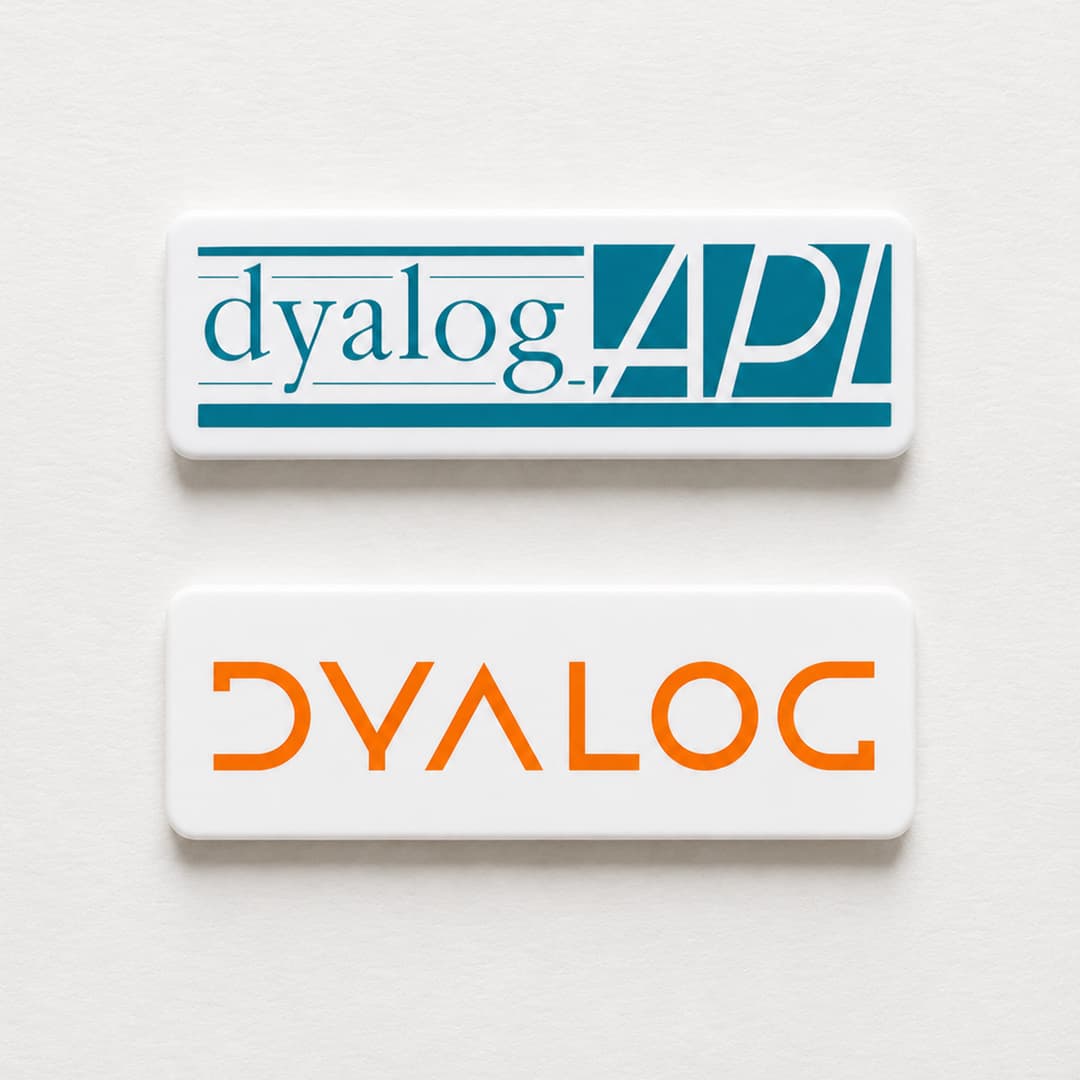
Gitte rebranded the company.
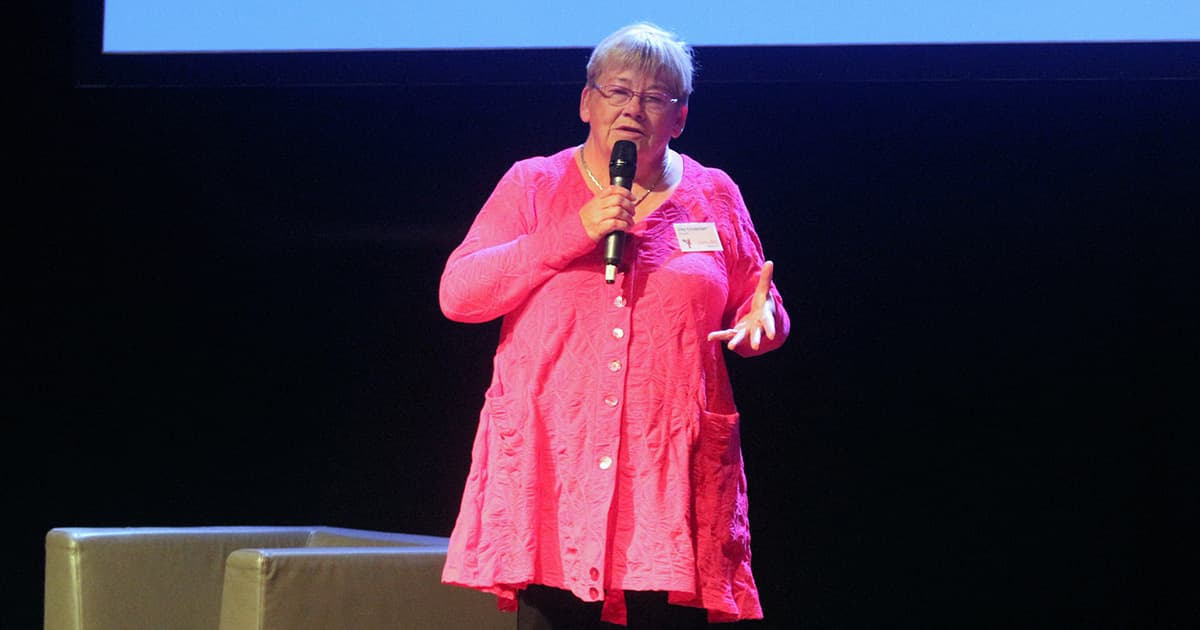
Although the annual ACM APL conferences faded away, Gitte re-kindled that spirit at the annual Dyalog user meetings that she organised, inviting representatives from competitors to speak at our meeting and rebuild the array language community. Users of other APL systems slowly started migrating to Dyalog APL, as it became clear that this was the APL system you could bet your company on.
After a while, our financial situation improved to the point where we had enough people to start investing in outreach beyond the array language community. Our efforts to reposition APL as a respectable functional-style language, rather than an archeological curiosity from the mainframe days started to bear fruit. It is going to be interesting to see where the next new generation is able to take that.
Retirement
Gitte decided that she wanted to retire when she turned 70. It wasn’t at all clear what to do about that; the idea of bringing in a professional manager from the outside filled us with trepidation; we didn’t think it was likely we could find someone who would understand the unique requirements of our team. Making Morten the CEO was obviously a silly idea. Many people assume that we planned for our daughter to step into her mother’s shoes all along but that was not the case at all.
In a bizarre stroke of fate, the Covid-19 epidemic created an opportunity. Our daughter Kirstine – or Stine as she is known professionally – had completed a master’s in business administration and IT and was destined for a middle-management job in one of the big Danish corporations. After completing her studies, she had taken a job with one of our old friends from IPSA, to get some hands-on experience doing consulting before aiming for a management job.
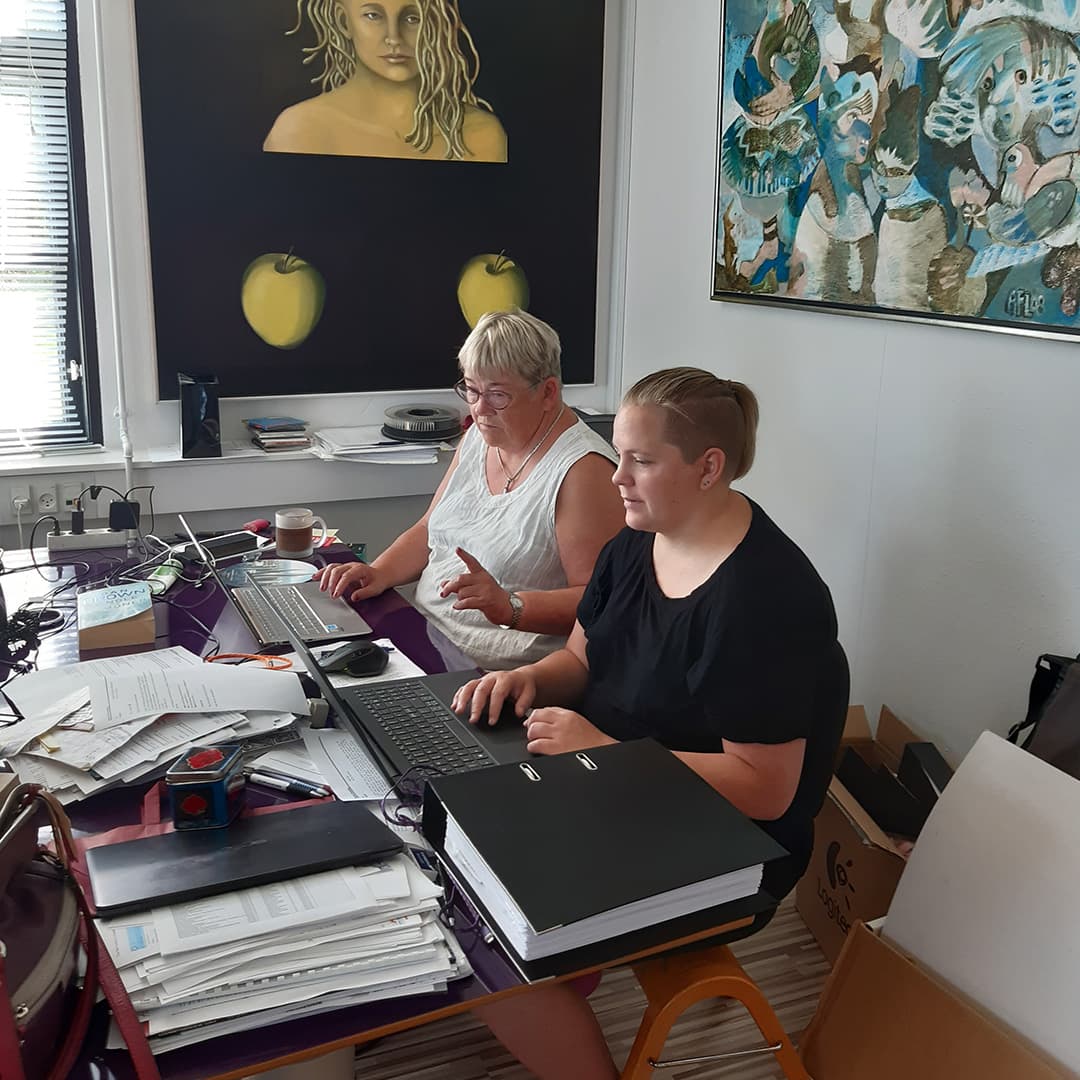
Stine’s husband is an anesthesiologist, and when Covid struck, the idea very quickly formed that it would be best if she moved in with grandma and grandpa with the two small kids, to let dad work at the hospital without worrying about what he might bring home – and come and see us on the weekends after thorough testing.
It was an exhausting time but turned out to be worth it: when the pandemic was over, Stines consulting job – like so many others – had evaporated. The company said she was welcome to return to work and they would pay her even though there was no work to do, but she didn’t want to do that, and fortunately we managed to convince her that aiming for her mother’s job was an attractive alternative.
Stine started as a trainee accountant, added some project management, and since everyone in the company seemed to find her both competent and more likeable than both mom and dad, the path to becoming the CEO when Gitte retired became the obvious choice.
Conclusion
Gitte never completely retired, she continued to sit on the Dyalog board of directors, and as an adviser for the new CEO until the very end, unable to entirely let go of the company she spent 20 years building.
Sadly, as described in more detail in the personal obituary, Gitte was not allowed to enjoy her highly deserved retirement. Throughout her professional career, her focus was on creating creative spaces, where people could move towards their own goals – in the same way that she helped so many people in her private life.
She had an almost extreme ethical approach to contract negotiations, with a goal of creating situations where both parties would be happy with any contract for many years to come. This laid the foundation for steady, predictable growth.
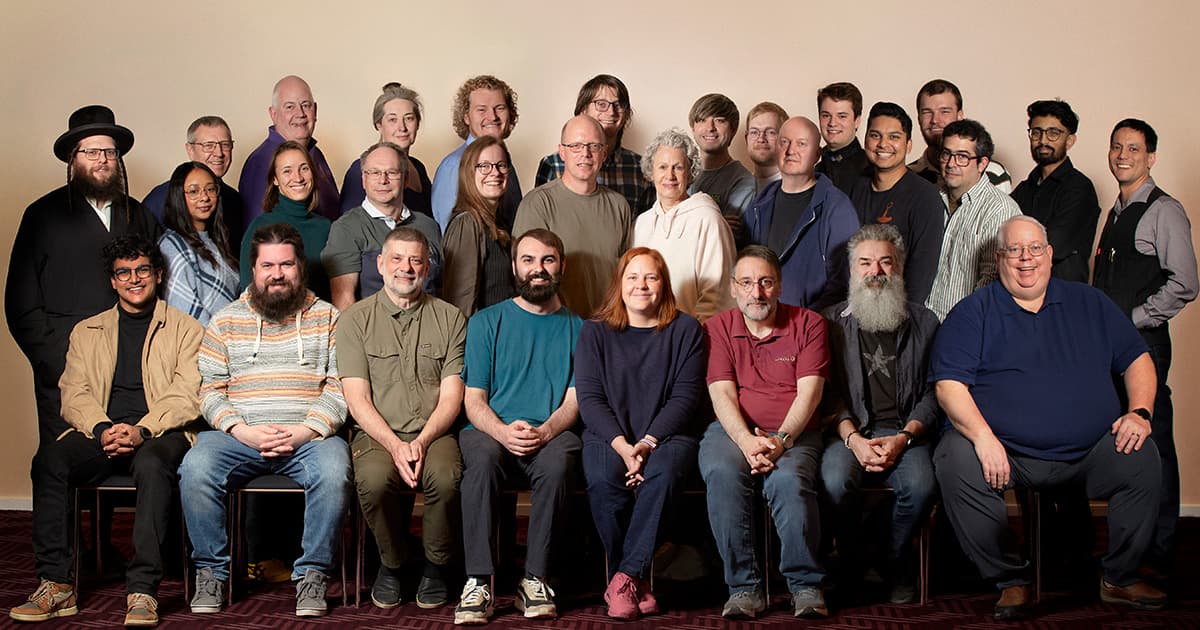
She repeatedly created happy, highly successful teams, and helped other companies to grow and prosper. I’d like to end this tribute with a recent picture of nearly the entire Dyalog team, that she laid the foundation for.
To submit your own tribute to Gitte for inclusion on this website, please visit this page.
If you have any images that could be featured in the gallery, please send them to [email protected]
If they are too large to send through email we recommend www.wetransfer.com